
As 2022 comes to a close, for those in the streaming video industry, it will be remembered as a turbulent year marked by new opportunities, including the emergence of new video platforms and.
Discover 5 key video streaming trends: advanced codecs, hardware acceleration, AI integration, low latency, and sustainability. Monitor crucial industry shifts.

Explore how semiconductor advancements revolutionize video streaming. From hardware-accelerated encoding to edge computing and AI, stay ahead with insights from the PwC Semiconductor Industry Report.

The Ampere edition of the NETINT Quadra Video Server pairs a 96-core Arm CPU with VPUs to run 300+ live channels with de-interlacing and decoding.

Discover how AI-powered video analytics, enabled by NETINT VPUs, enhances public safety and retail security by optimizing video decoding, reducing costs, and enabling real-time threat detection.
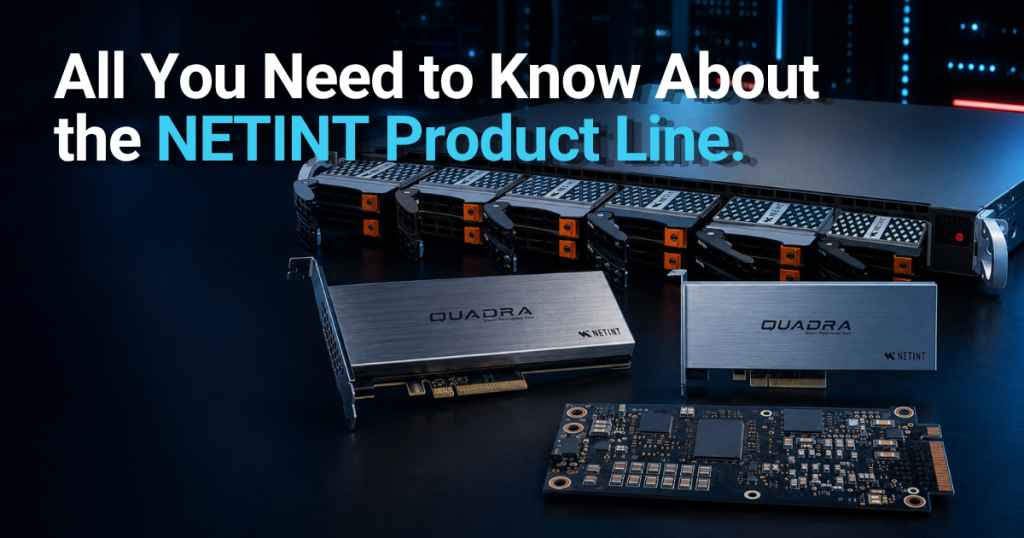
This article will introduce you to the NETINT product line and Codensity ASIC generations.

The decision behind free video encoding at api.video isn't just a marketing gimmick. By developing their own infrastructure and utilizing state-of-the-art VPUs, the company has managed to slash encoding expenses by 99.33%. Yet, they've ensured that this cost-cutting doesn't translate to reduced video quality, setting new standards for the video streaming world

Even in 2023, many high-volume streaming producers continue to rely on software-based transcoding, despite the clear CAPEX, OPEX, and environmental benefits of ASIC-based transcoding.
When Google announced the ASIC-based Argos VCU in 2021, the trade press rightfully applauded.
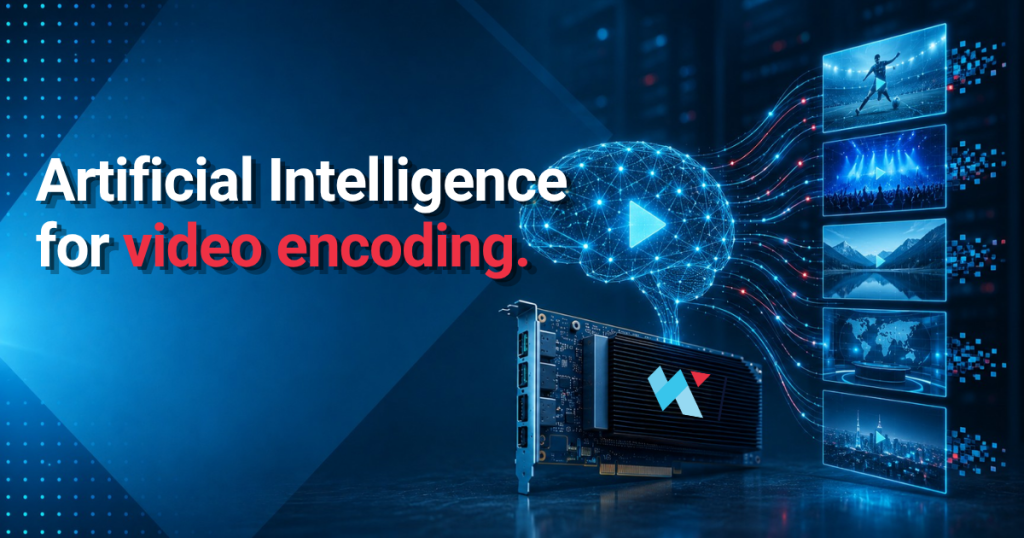
Artificial intelligence (AI) is an exciting, emerging technology that is reshaping how people live their lives.
