Transforming Enterprise Video Security with Custom Silicon

Security system enhanced by custom silicon.

Video technology professionals face mounting pressure to handle massive amounts of data efficiently. This article examines how purpose-built chips are changing the game for video surveillance by offering major gains in cost savings and performance. If you’re buying or designing network video recorders and video management systems, understanding how VPUs using custom silicon compare with GPUs and CPUs will be key to staying ahead.

Custom Silicon: A Game-Changer for Video Processing

Tailored Chips Boost Efficiency

Purpose-built chips designed for video tasks fundamentally shift how we approach processing tasks for video management and network video recording applications. Unlike standard processors, these specialized chips excel at handling video data, resulting in remarkable improvements.

Key advantages include:

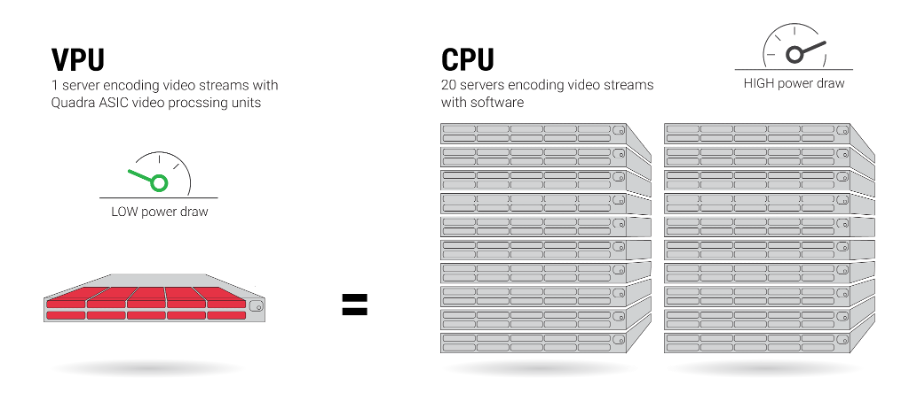
  • Massive Hardware Consolidation: A single 1RU server with a custom video chip (VPU) can replace nearly 20 traditional servers. This translates to significant savings on electricity, physical space, and ongoing costs.
  • Supercharged Video Handling: These chips shine when working with high-resolution footage, meeting the needs of modern systems that must analyze numerous top-quality video feeds in real time.
  • Power Savings: The focused design of these chips means they use far less electricity than general-purpose processors. This cuts both energy bills and cooling needs in data centers.
Transforming Enterprise Video Security with Custom Silicon

Case Study: Major Airport Overhaul

A large international airport recently upgraded its aging surveillance system. By switching to custom video chips, they:

  1. Reduced their server count from 200 to just 12
  2. Cut power consumption by 85%
  3. Improved real-time analytics, allowing for faster threat detection
  4. Saved multiple millions annually in operational costs

Common Missteps in Video System Design

Many enterprise setups still lean heavily on general-purpose processors for video tasks. While flexible, this approach often leads to:

  • Excessive energy use
  • Inflated equipment expenses
  • Limited room for growth
  • Subpar performance on video-specific jobs

A smarter strategy involves shifting to specialized chips. This results in a more streamlined, cost-effective, and scalable video infrastructure tailored to the unique demands of large-scale security systems.

Merging AI with Video Processing

Building Smarter Video Chips

Combining artificial intelligence capabilities directly into video processing chips is revolutionizing what’s possible with surveillance footage. This fusion enables:

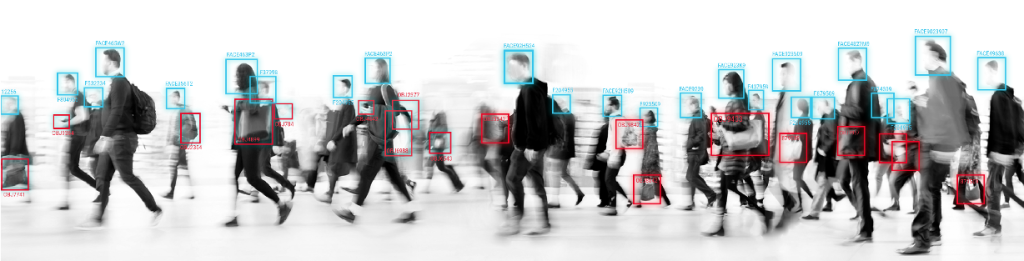
  • Hands-Off Analysis: AI-powered chips can automatically tackle complex jobs like identifying faces, spotting objects, and analyzing behavior. This reduces the workload on human operators and boosts overall system efficiency.
  • Sharper Threat Detection: Advanced AI algorithms significantly improve the accuracy of identifying potential security risks while reducing false alarms, a crucial factor for reliable large-scale surveillance.
  • Split-Second Processing: These chips’ raw computing power allows for instant analysis of multiple video streams, enabling immediate responses to security events.

Real-World Application: Smart Retail Security

A major retail chain implemented AI-enhanced video chips across 500 stores. The results were impressive:

  1. 30% reduction in shoplifting incidents
  2. 50% faster response times to potential security threats
  3. 40% decrease in false alarms, freeing up security staff for more critical tasks
  4. Valuable customer behavior insights for marketing teams

Practical Uses in Corporate Security

Picture a sprawling tech campus with hundreds of cameras. An AI-enhanced video system can dramatically improve security operations while making the most of available resources.:

  1. Track individuals across multiple camera feeds automatically
  2. Spot unauthorized entry attempts instantly
  3. Examine crowd patterns to identify potential risks
  4. Flag suspicious items or activities for immediate security review
Transforming Enterprise Video Security with Custom Silicon

Optimizing for the Cloud and Network Edge

Tapping into Cloud Power

Cloud platforms offer unmatched flexibility for enterprise video security. Key benefits include:

  • Flexible Resource Scaling: Cloud services allow you to adjust processing power and storage on the fly, breaking free from the limits of physical hardware.
  • Trimmed Infrastructure Costs: Shifting processing and storage to the cloud can slash the need for on-site hardware and its associated upkeep.
  • Improved Access: Cloud-based systems let authorized staff view video feeds and analytics from anywhere, speeding up response times and boosting operational flexibility.

Case Study: Multi-Site Manufacturing Security

A global manufacturing company with 50 facilities worldwide moved its video surveillance to a cloud-based system using specialized video processing. The results:

  1. 60% reduction in on-site hardware costs
  2. Centralized monitoring of all facilities from a single operations center
  3. 99.99% uptime, improving on their previous on-premise solution
  4. Ability to rapidly deploy new AI-powered analytics across all sites simultaneously

Edge Computing for Time-Critical Tasks

While the cloud offers numerous perks, some scenarios demand the rapid processing that edge computing provides. VPUs operating at the network edge can:

  • Handle critical data locally, reducing bandwidth needs and improving response times
  • Deliver instant analytics for time-sensitive applications
  • Keep systems running even if network connectivity drops

A mixed approach combining cloud and edge often provides the best solution for enterprise video security, balancing performance, cost, and reliability.

Boosting Mobile Access and Connectivity

In our mobile-first world, providing secure and snappy access to video surveillance on the go is crucial. Specialized video chips make this possible by:

  • Shrinking Video Size: Advanced encoding methods optimized on these chips can compress video by more than half without noticeably affecting quality. This allows for smooth streaming to mobile devices, even on limited connections.
  • On-the-Fly Video Adaptation: These chips can adjust video streams in real time to match the capabilities of various mobile devices, ensuring a great viewing experience across different platforms.
  • Locked-Down Remote Access: By building robust encryption and authentication directly into the chip, mobile access remains secure without sacrificing performance.

Real-World Example: Campus Security Upgrade

A large university revamped its campus security with a focus on mobile accessibility:

  1. Developed a user-friendly mobile app for security staff and key personnel
  2. Implemented instant alerts for critical events detected by AI analytics
  3. Enabled secure two-way communication between mobile users and the security hub
  4. Result: 40% faster response times to incidents and improved overall campus safety perception

To get the most out of mobile surveillance solutions, consider:

  1. Creating intuitive mobile apps that provide easy access to live and recorded footage
  2. Setting up push notifications for critical events spotted by the AI system
  3. Enabling secure two-way communication between mobile users and the main security center

Connecting the Dots with IoT Devices

The explosion of Internet-connected devices creates opportunities and challenges for enterprise video security. Specialized video processing chips can effectively manage data from a wide range of connected sensors and devices, including:

  • Smart cameras with built-in analysis capabilities
  • Sensors that detect changes in temperature, humidity, or air quality
  • Access control systems and smart locks
  • Motion detectors and occupancy sensors

By bringing together data from these diverse sources, video chips can paint a more complete security picture, enabling:

  • Linking video data with other sensor inputs for more accurate threat detection
  • Automated responses to specific environmental conditions or security events
  • Predictive maintenance of security equipment based on performance data

Case Study: Smart Building Integration

A high-rise office building integrated its video surveillance with various IoT sensors:

  1. Connected 200+ cameras with environmental sensors on each floor
  2. Linked access control and elevator systems to the central security platform
  3. Implemented AI-powered analytics to detect anomalies across all systems
  4. Results: 35% reduction in false alarms, 50% faster emergency response times, and a 20% decrease in energy costs through optimized building management

When connecting IoT devices, prioritize:

  1. Standard communication protocols to ensure devices work well together
  2. Strong cybersecurity measures to protect against vulnerabilities in connected devices
  3. Scalable data management solutions to handle the increased volume of sensor information

Locking Down Data Security and Integrity

Enterprise video systems handle increasingly sensitive information, so protecting this data is paramount. Specialized video chips can enhance security through:

Built-in Encryption

These chips can implement advanced encryption methods directly in hardware, providing:

  • Faster scrambling and unscrambling of data without bogging down the system
  • Better protection against certain types of attacks compared to software-based encryption

Secure Start-Up and Protected Processing

Chip-based systems use secure boot mechanisms and isolated processing environments to:

  • Ensure only verified firmware and software run on the device
  • Shield sensitive operations and data from potential malware or unauthorized access

Real-World Application: Securing Critical Infrastructure

A power plant implemented a new video surveillance system with advanced security features:

  1. All video feeds are encrypted at the chip level before transmission
  2. The secure boot process ensures the integrity of the surveillance system
  3. Isolated processing environment for handling sensitive analytics
  4. Result: The system passed rigorous government security audits and has maintained zero security breaches since implementation

When implementing these security measures, consider:

  1. Regular security audits and penetration testing of the entire video security setup
  2. Compliance with relevant data protection laws
  3. Implementation of robust access control and user authentication systems

Cost Breakdown: Specialized Chips vs. Cloud Services

While cloud services offer convenience, chip-based solutions in private data centers can provide significant cost advantages for large-scale enterprise video security systems.

Cloud Service Expenses

Using the public cloud for video surveillance can rack up substantial costs, including:

  • Per-second charges for ingesting and processing video
  • Storage fees for both frequently and rarely accessed video data
  • Data transfer costs for accessing and analyzing footage
  • Extra charges for AI and machine learning capabilities

For example, processing and analyzing 80 million images using cloud services can cost upwards of $30,000, not including storage and data transfer fees.

Advantages of Chip-Based Private Centers

Implementing specialized video chips in a private data center offers several cost benefits:

  • Slashed Operating Costs: These solutions can cut operating expenses by up to 20 times compared to traditional setups, mainly through lower power and cooling costs.
  • Lower Long-Term Costs: While the initial investment may be higher, the extended cost of ownership for chip-based systems is often much lower than cloud alternatives, especially for large deployments.
  • Predictable Expenses: Unlike cloud services with variable pricing, chip-based systems in private centers offer more consistent costs, simplifying budgeting and financial planning.
  • Customization Control: Private data centers allow for greater control over the hardware and software environment, enabling optimizations that may not be possible with public cloud services.

Case Study: Large Retailer’s Surveillance Overhaul

A national retail chain with 1,000 stores compared cloud-based surveillance to a private data center using specialized video chips:

  1. Cloud option: $15 million annually for processing, storage, and analytics
  2. Chip-based private center: $8 million initial investment, $2 million annual operating costs
  3. Result: The retailer chose the chip-based solution, breaking even in less than 2 years and saving over $10 million annually after that

When weighing the cost implications, factor in:

  1. The size of your video security deployment
  2. Long-term growth projections for your surveillance needs
  3. The importance of data control in your industry

Embracing Specialized Chips for Next-Gen Video Security

As enterprise video security systems evolve, solutions based on purpose-built chips offer a compelling path forward, delivering unmatched efficiency, performance, and cost-effectiveness. By harnessing the power of custom-designed silicon, video tech professionals can create surveillance systems that are more capable and economical to operate at scale.

To successfully implement chip-driven video security solutions:

  1. Evaluate your current setup and identify areas where specialized chips can provide the biggest benefits
  2. Develop a step-by-step plan to transition from older systems to chip-based solutions
  3. Invest in training for your team to effectively design, deploy, and maintain these advanced video processing systems
  4. Keep tabs on advancements in chip technology and its applications in video surveillance
  5. Team up with chip manufacturers and solution providers to develop custom systems tailored to your specific needs
  6. Continuously assess and fine-tune your video security infrastructure to maximize the benefits of this technology

By embracing chip-driven solutions, enterprise video security systems can reach new heights of performance, scalability, and cost-efficiency, paving the way for smarter and more effective surveillance capabilities in the years ahead.
ACCESS NOW: ASIC-Based Transcoding
for High-volume Use Cases
Including social media, broadcast, interactive platforms, and service providers


ACCESS NOW

Transforming Enterprise Video Security with Custom Silicon

Transform video security with silicon chips, enhancing efficiency, performance, and cost savings. Discover how VPUs outshine CPUs & GPUs in modern surveillance.

Security system enhanced by custom silicon.

Video technology professionals face mounting pressure to handle massive amounts of data efficiently. This article examines how purpose-built chips are changing the game for video surveillance by offering major gains in cost savings and performance. If you’re buying or designing network video recorders and video management systems, understanding how VPUs using custom silicon compare with GPUs and CPUs will be key to staying ahead.

Custom Silicon: A Game-Changer for Video Processing

Tailored Chips Boost Efficiency

Purpose-built chips designed for video tasks fundamentally shift how we approach processing tasks for video management and network video recording applications. Unlike standard processors, these specialized chips excel at handling video data, resulting in remarkable improvements.

Key advantages include:

  • Massive Hardware Consolidation: A single 1RU server with a custom video chip (VPU) can replace nearly 20 traditional servers. This translates to significant savings on electricity, physical space, and ongoing costs.
  • Supercharged Video Handling: These chips shine when working with high-resolution footage, meeting the needs of modern systems that must analyze numerous top-quality video feeds in real time.
  • Power Savings: The focused design of these chips means they use far less electricity than general-purpose processors. This cuts both energy bills and cooling needs in data centers.

Transforming Enterprise Video Security with Custom Silicon

Case Study: Major Airport Overhaul

A large international airport recently upgraded its aging surveillance system. By switching to custom video chips, they:

  1. Reduced their server count from 200 to just 12
  2. Cut power consumption by 85%
  3. Improved real-time analytics, allowing for faster threat detection
  4. Saved multiple millions annually in operational costs

Common Missteps in Video System Design

Many enterprise setups still lean heavily on general-purpose processors for video tasks. While flexible, this approach often leads to:

  • Excessive energy use
  • Inflated equipment expenses
  • Limited room for growth
  • Subpar performance on video-specific jobs

A smarter strategy involves shifting to specialized chips. This results in a more streamlined, cost-effective, and scalable video infrastructure tailored to the unique demands of large-scale security systems.

Merging AI with Video Processing

Building Smarter Video Chips

Combining artificial intelligence capabilities directly into video processing chips is revolutionizing what’s possible with surveillance footage. This fusion enables:

  • Hands-Off Analysis: AI-powered chips can automatically tackle complex jobs like identifying faces, spotting objects, and analyzing behavior. This reduces the workload on human operators and boosts overall system efficiency.
  • Sharper Threat Detection: Advanced AI algorithms significantly improve the accuracy of identifying potential security risks while reducing false alarms, a crucial factor for reliable large-scale surveillance.
  • Split-Second Processing: These chips’ raw computing power allows for instant analysis of multiple video streams, enabling immediate responses to security events.

Real-World Application: Smart Retail Security

A major retail chain implemented AI-enhanced video chips across 500 stores. The results were impressive:

  1. 30% reduction in shoplifting incidents
  2. 50% faster response times to potential security threats
  3. 40% decrease in false alarms, freeing up security staff for more critical tasks
  4. Valuable customer behavior insights for marketing teams

Practical Uses in Corporate Security

Picture a sprawling tech campus with hundreds of cameras. An AI-enhanced video system can dramatically improve security operations while making the most of available resources.:

  1. Track individuals across multiple camera feeds automatically
  2. Spot unauthorized entry attempts instantly
  3. Examine crowd patterns to identify potential risks
  4. Flag suspicious items or activities for immediate security review

Transforming Enterprise Video Security with Custom Silicon

Optimizing for the Cloud and Network Edge

Tapping into Cloud Power

Cloud platforms offer unmatched flexibility for enterprise video security. Key benefits include:

  • Flexible Resource Scaling: Cloud services allow you to adjust processing power and storage on the fly, breaking free from the limits of physical hardware.
  • Trimmed Infrastructure Costs: Shifting processing and storage to the cloud can slash the need for on-site hardware and its associated upkeep.
  • Improved Access: Cloud-based systems let authorized staff view video feeds and analytics from anywhere, speeding up response times and boosting operational flexibility.

Case Study: Multi-Site Manufacturing Security

A global manufacturing company with 50 facilities worldwide moved its video surveillance to a cloud-based system using specialized video processing. The results:

  1. 60% reduction in on-site hardware costs
  2. Centralized monitoring of all facilities from a single operations center
  3. 99.99% uptime, improving on their previous on-premise solution
  4. Ability to rapidly deploy new AI-powered analytics across all sites simultaneously

Edge Computing for Time-Critical Tasks

While the cloud offers numerous perks, some scenarios demand the rapid processing that edge computing provides. VPUs operating at the network edge can:

  • Handle critical data locally, reducing bandwidth needs and improving response times
  • Deliver instant analytics for time-sensitive applications
  • Keep systems running even if network connectivity drops

A mixed approach combining cloud and edge often provides the best solution for enterprise video security, balancing performance, cost, and reliability.

Boosting Mobile Access and Connectivity

In our mobile-first world, providing secure and snappy access to video surveillance on the go is crucial. Specialized video chips make this possible by:

  • Shrinking Video Size: Advanced encoding methods optimized on these chips can compress video by more than half without noticeably affecting quality. This allows for smooth streaming to mobile devices, even on limited connections.
  • On-the-Fly Video Adaptation: These chips can adjust video streams in real time to match the capabilities of various mobile devices, ensuring a great viewing experience across different platforms.
  • Locked-Down Remote Access: By building robust encryption and authentication directly into the chip, mobile access remains secure without sacrificing performance.

Real-World Example: Campus Security Upgrade

A large university revamped its campus security with a focus on mobile accessibility:

  1. Developed a user-friendly mobile app for security staff and key personnel
  2. Implemented instant alerts for critical events detected by AI analytics
  3. Enabled secure two-way communication between mobile users and the security hub
  4. Result: 40% faster response times to incidents and improved overall campus safety perception

To get the most out of mobile surveillance solutions, consider:

  1. Creating intuitive mobile apps that provide easy access to live and recorded footage
  2. Setting up push notifications for critical events spotted by the AI system
  3. Enabling secure two-way communication between mobile users and the main security center

Connecting the Dots with IoT Devices

The explosion of Internet-connected devices creates opportunities and challenges for enterprise video security. Specialized video processing chips can effectively manage data from a wide range of connected sensors and devices, including:

  • Smart cameras with built-in analysis capabilities
  • Sensors that detect changes in temperature, humidity, or air quality
  • Access control systems and smart locks
  • Motion detectors and occupancy sensors

By bringing together data from these diverse sources, video chips can paint a more complete security picture, enabling:

  • Linking video data with other sensor inputs for more accurate threat detection
  • Automated responses to specific environmental conditions or security events
  • Predictive maintenance of security equipment based on performance data

Case Study: Smart Building Integration

A high-rise office building integrated its video surveillance with various IoT sensors:

  1. Connected 200+ cameras with environmental sensors on each floor
  2. Linked access control and elevator systems to the central security platform
  3. Implemented AI-powered analytics to detect anomalies across all systems
  4. Results: 35% reduction in false alarms, 50% faster emergency response times, and a 20% decrease in energy costs through optimized building management

When connecting IoT devices, prioritize:

  1. Standard communication protocols to ensure devices work well together
  2. Strong cybersecurity measures to protect against vulnerabilities in connected devices
  3. Scalable data management solutions to handle the increased volume of sensor information

Locking Down Data Security and Integrity

Enterprise video systems handle increasingly sensitive information, so protecting this data is paramount. Specialized video chips can enhance security through:

Built-in Encryption

These chips can implement advanced encryption methods directly in hardware, providing:

  • Faster scrambling and unscrambling of data without bogging down the system
  • Better protection against certain types of attacks compared to software-based encryption

Secure Start-Up and Protected Processing

Chip-based systems use secure boot mechanisms and isolated processing environments to:

  • Ensure only verified firmware and software run on the device
  • Shield sensitive operations and data from potential malware or unauthorized access

Real-World Application: Securing Critical Infrastructure

A power plant implemented a new video surveillance system with advanced security features:

  1. All video feeds are encrypted at the chip level before transmission
  2. The secure boot process ensures the integrity of the surveillance system
  3. Isolated processing environment for handling sensitive analytics
  4. Result: The system passed rigorous government security audits and has maintained zero security breaches since implementation

When implementing these security measures, consider:

  1. Regular security audits and penetration testing of the entire video security setup
  2. Compliance with relevant data protection laws
  3. Implementation of robust access control and user authentication systems

Cost Breakdown: Specialized Chips vs. Cloud Services

While cloud services offer convenience, chip-based solutions in private data centers can provide significant cost advantages for large-scale enterprise video security systems.

Cloud Service Expenses

Using the public cloud for video surveillance can rack up substantial costs, including:

  • Per-second charges for ingesting and processing video
  • Storage fees for both frequently and rarely accessed video data
  • Data transfer costs for accessing and analyzing footage
  • Extra charges for AI and machine learning capabilities

For example, processing and analyzing 80 million images using cloud services can cost upwards of $30,000, not including storage and data transfer fees.

Advantages of Chip-Based Private Centers

Implementing specialized video chips in a private data center offers several cost benefits:

  • Slashed Operating Costs: These solutions can cut operating expenses by up to 20 times compared to traditional setups, mainly through lower power and cooling costs.
  • Lower Long-Term Costs: While the initial investment may be higher, the extended cost of ownership for chip-based systems is often much lower than cloud alternatives, especially for large deployments.
  • Predictable Expenses: Unlike cloud services with variable pricing, chip-based systems in private centers offer more consistent costs, simplifying budgeting and financial planning.
  • Customization Control: Private data centers allow for greater control over the hardware and software environment, enabling optimizations that may not be possible with public cloud services.

Case Study: Large Retailer’s Surveillance Overhaul

A national retail chain with 1,000 stores compared cloud-based surveillance to a private data center using specialized video chips:

  1. Cloud option: $15 million annually for processing, storage, and analytics
  2. Chip-based private center: $8 million initial investment, $2 million annual operating costs
  3. Result: The retailer chose the chip-based solution, breaking even in less than 2 years and saving over $10 million annually after that

When weighing the cost implications, factor in:

  1. The size of your video security deployment
  2. Long-term growth projections for your surveillance needs
  3. The importance of data control in your industry

Embracing Specialized Chips for Next-Gen Video Security

As enterprise video security systems evolve, solutions based on purpose-built chips offer a compelling path forward, delivering unmatched efficiency, performance, and cost-effectiveness. By harnessing the power of custom-designed silicon, video tech professionals can create surveillance systems that are more capable and economical to operate at scale.

To successfully implement chip-driven video security solutions:

  1. Evaluate your current setup and identify areas where specialized chips can provide the biggest benefits
  2. Develop a step-by-step plan to transition from older systems to chip-based solutions
  3. Invest in training for your team to effectively design, deploy, and maintain these advanced video processing systems
  4. Keep tabs on advancements in chip technology and its applications in video surveillance
  5. Team up with chip manufacturers and solution providers to develop custom systems tailored to your specific needs
  6. Continuously assess and fine-tune your video security infrastructure to maximize the benefits of this technology

By embracing chip-driven solutions, enterprise video security systems can reach new heights of performance, scalability, and cost-efficiency, paving the way for smarter and more effective surveillance capabilities in the years ahead.

ACCESS NOW: ASIC-Based Transcoding
for High-volume Use Cases
Including social media, broadcast, interactive platforms, and service providers


ACCESS NOW